Local Works at USAID: What It Was, and What Made It Different
USAID's flagship locally led development program, 2015–2025

On February 22, 2025, after nearly every award was terminated globally and USAID was being chaotically shut down around us, I wrote a memo to the file as a time capsule for potential future readers interested in the Local Works program, which represented over a decade of work by a dedicated team focused on supporting local communities around the world. This article is an adaptation of that memo. The links here work, but the deeper ones don’t – a result of the rapid deletion of usaid.gov.
Key facts
- Established: FY2015, by the U.S. Congress
- Appropriated: ~$600 million (2015–2025), with bipartisan support
- Awards: 250+, all to nontraditional (largely local) partners
- Reach: 64 countries as of January 2025
- Award limits: $2 million cap per award; partners limited to under $5 million in prior USAID prime funding over five years
- Funding type: five-year, non-earmarked (vs. the usual restricted two-year funds)
- Team: a little over 30 Washington staff, part of 577 global staff
- Ended: 2025, with the shutdown of USAID
What Local Works was
Local Works at USAID was established in FY 2015 by Congress to advance locally led development by strengthening USAID’s ability to empower local communities to identify and solve their own development challenges. The program had two core goals: (1) to provide USAID Missions with funding and technical assistance for locally led development; and (2) to use what we learn to advance the overall state of practice in locally led development at USAID. To accomplish this, Local Works had a clear mandate: identify, address, and overcome the bureaucratic challenges within USAID that stood in the way.
The Local Works theory of change can be found here.
Flexible funding, intentional restrictions
The Local Works legislation provided key flexibilities unique to the program (funds with a five year obligation window that were not earmarked for specific sectors or geographic regions – as opposed to heavily restricted 2-year funds throughout the rest of USAID), and key restrictions (individual awards were capped at $2M and awardees couldn’t have received more than $5M as a prime awardee from the USG over the previous five years). The flexibilities allowed for long-term development activities built around trust-building with local stakeholders, collaborative design and implementation of projects, careful navigation of local customs/relationships/regulations, and all of the “messy” parts of development work that don’t fit comfortably into a strategic plan written in a far-away capital city. The restrictions were intentionally placed by Congress to require working with nontraditional partners - local, regional, and even US-based organizations that didn’t normally work directly with USAID. Think local community-based organizations in partner countries, faith organizations that hadn’t previously received large USAID awards, and other players normally unable to compete with large traditional implementing partners like Chemonics or DAI.
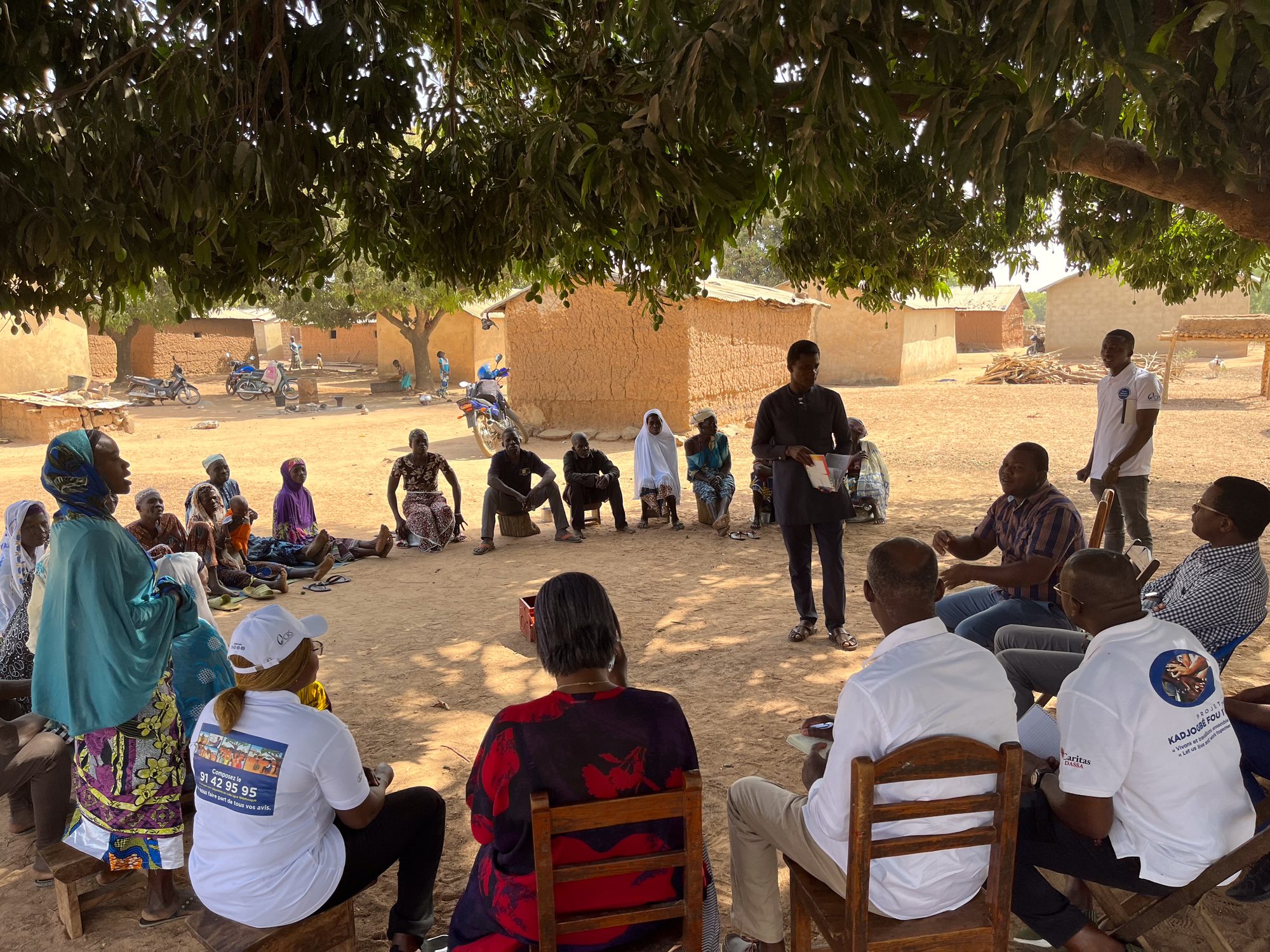
As a result, USAID staff working under programs funded by Local Works were able to engage with local organizations, communities, and government counterparts over a much longer period of time than normally allowed and support solutions co-developed with local people from the beginning, even if the topic happened to sit outside the restrictive budgets established years in advance in Washington. Local Works also operated a program that welcomed (and funded) unsolicited ideas from anywhere in the world to support locally led development projects – an effort similarly intended to reduce the barriers to partnership the traditional rules and bureaucracy enforced.
Scale and bipartisan support
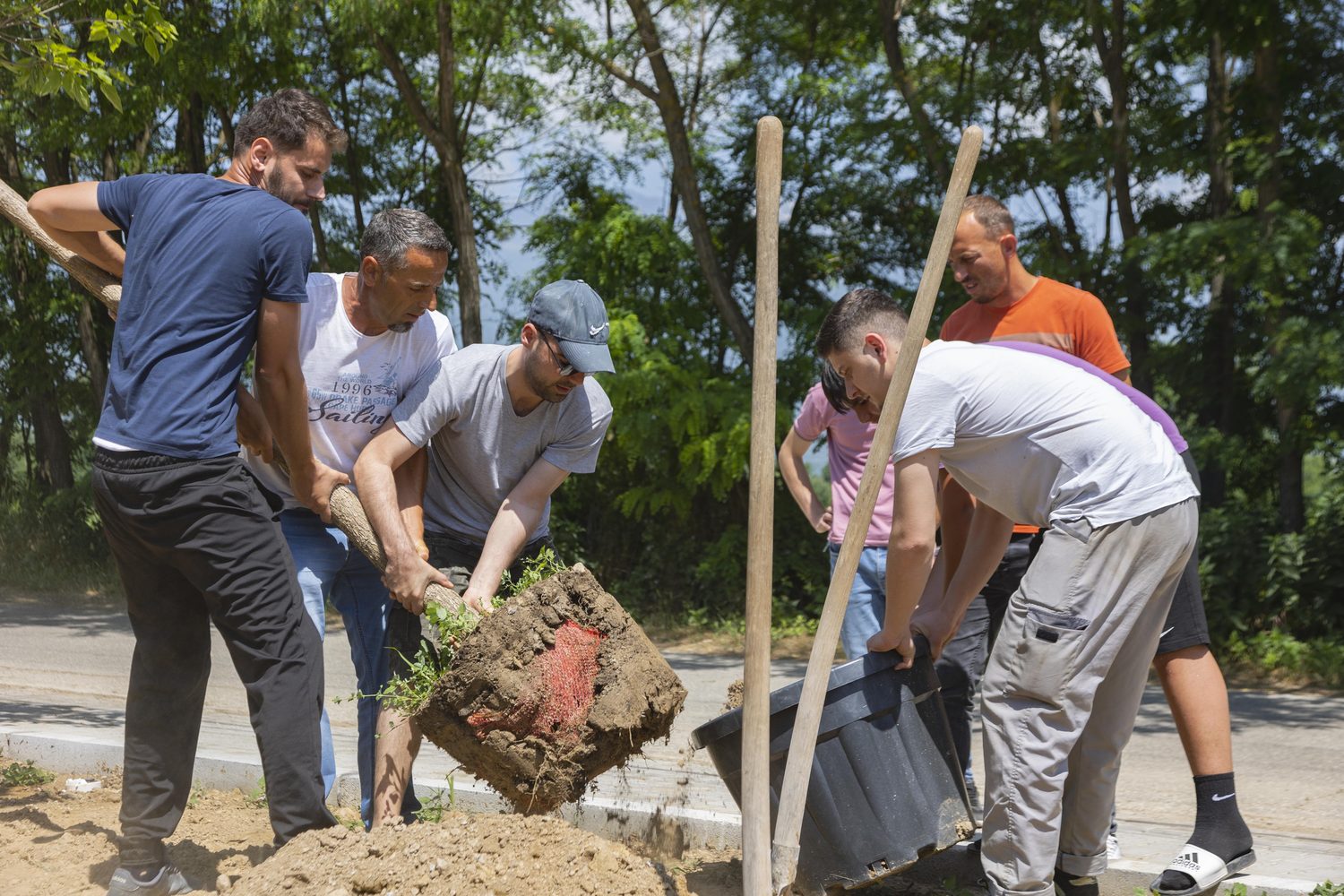
In January 2025, Local Works was supporting activities in 64 countries ranging from countering violent extremism to strengthening local health systems. Over 250 awards had been issued: all directly to nontraditional partners. Cumulatively, Congress appropriated $600 million to Local Works from 2015 to 2025, with strong bipartisan support. Republicans appreciated its natural fit within initiatives like the Journey to Self Reliance, efforts to reduce bureaucratic burdens, and its support of local initiative. Democrats appreciated it for many of the same reasons, including its grassroots focus, its efforts to expand beyond the traditionally gatekept circle of elite implementing partners, and its emphasis on locally-sourced solutions.
A pioneer in locally led practice
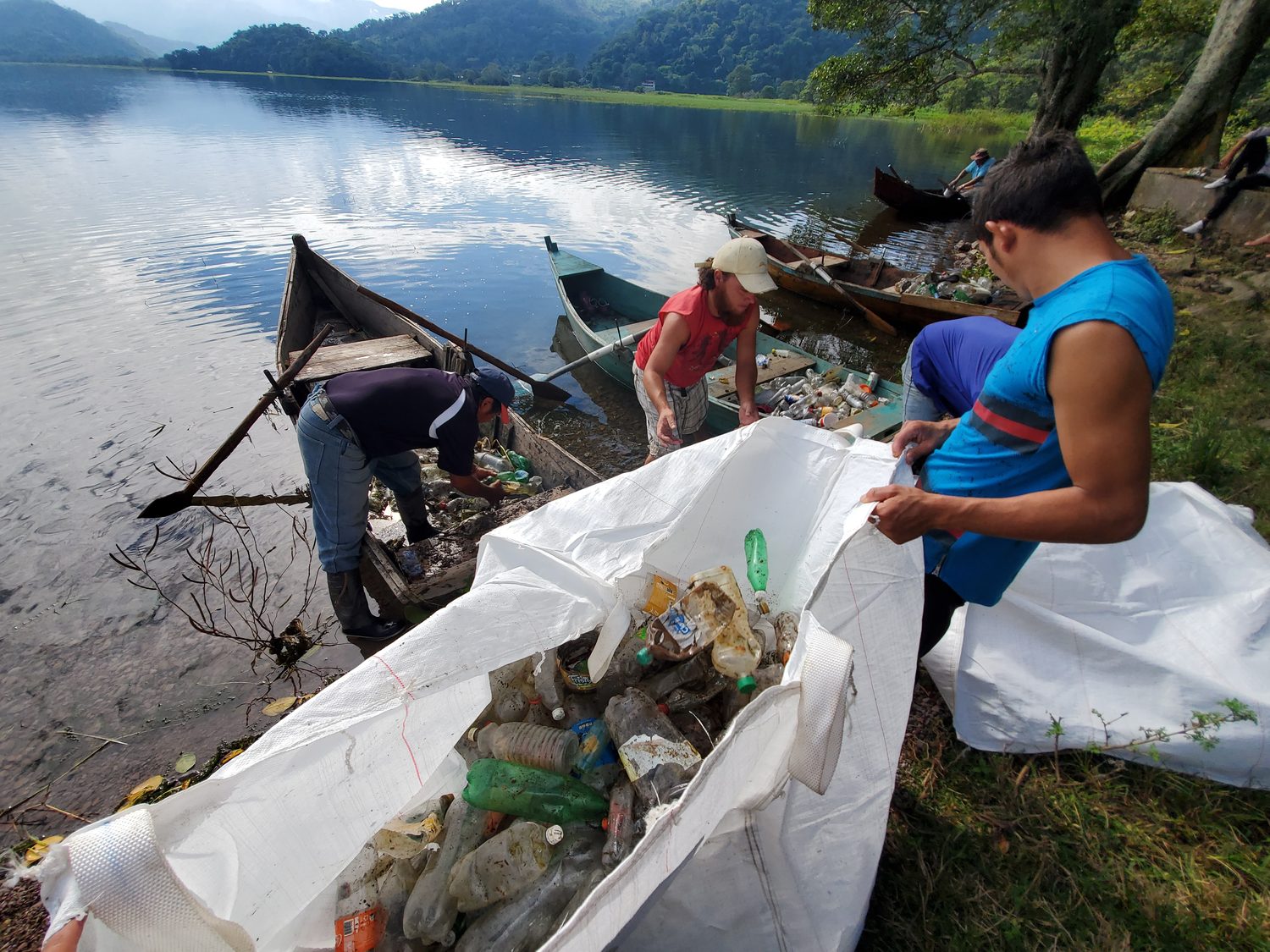
Over the years, Local Works became a pioneer at USAID in co-creation, systems-based design, listening approaches, and other locally led development approaches. The team developed an extensive compilation of tools, guidance, and examples for locally led development programming. Local Works employed a “Mission Support Team” – a highly trained group of advisors who provided technical assistance and coaching to Mission staff around the world in how to bend the massive (and often overwhelming) USAID bureaucracy towards supporting locally led development. USAID had evolved into a system where programming decisions were made at a distance based on budgets set years in advance, through a procurement system originating in other parts of the USG (most often defense) that prioritized competition and rigid inflexibility. Programming occurred through requests for proposals and applications that defined the problems and potential solutions with limited local input. Day-to-day operations for Local Works were a constant fight against this system, of finding solutions and tapping into the passions of USAID staff who wanted to find ways to improve lives in spite of the bureaucracy. Often, USAID was its own worst enemy, and Local Works was able to find perfectly legal solutions that complied with the Federal Acquisition Regulations and the Code of Federal Regulations, and allowed for the support of grassroots approaches and strengthened American relationships around the world.
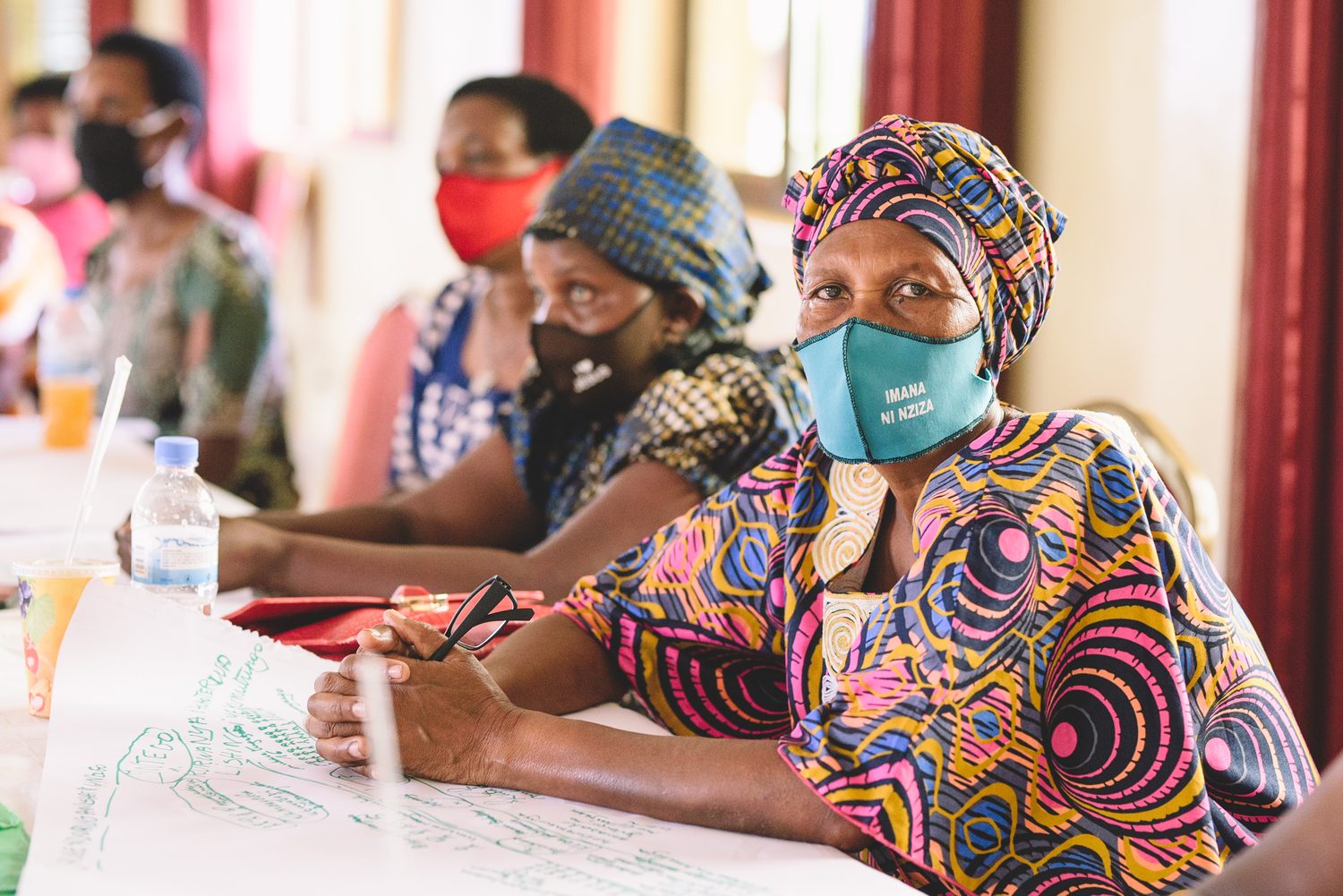
Missions were selected for participation in Local Works through an annual internal competition. Interested Missions were asked to consider how they’d take advantage of the program’s flexibilities. Participating Missions were required to support Foreign Service National leadership, embrace flexibility, approach complex development challenges with humility, and take time to build local relationships, understand local problems, explore new approaches, and learn from successes and failures. The monitoring and evaluation requirements of the program were designed to align with performance indicators the partner organizations and communities actually found useful, rather than prioritizing USAID’s insatiable appetite for excessive data.
Local Works hosted the Agency-wide Locally Led Development Annual Program Statement (LLD APS), an umbrella APS for Missions to solicit, co-create, and fund locally led development activities through assistance awards to local and nontraditional partners. Missions could use any source of funds, and participation was not limited to Local Works Missions.
Local Works supported the Unsolicited Solutions for Locally Led Development (US4LLD), program, which welcomed good ideas from nontraditional partners anywhere in the world, including U.S. based organizations. Focused on reducing the barriers to accessing USAID support for sustainable programming that strengthened local leadership, the US4LLD team prioritized strong customer service for applicants and Missions. It may be the only USAID program where even rejected applicants spoke glowingly of the program.
Local Works also supported a number of research initiatives to inform and advance the state of practice in locally led development. These were conducted in close partnership with eligible, local, and nontraditional partners.
Local Works regularly contributed to cross-agency efforts on locally led development and engaged in policy conversations. This included significant leadership and authorship of the Agency’s first Local Capacity Strengthening Policy, participation in the development of the Agency-wide locally led development metrics, leadership of the Centroamerica Local regional localization initiative to address the root causes of migration in Central America, and establishment of the 1000+ member localization community of practice.
Finally, Local Works staff supported the two key partnerships with the Peace Corps: the Small Project Assistance (SPA) Program and the USAID-Peace Corps Global Agreement.
Local Works included a little over 30 Washington staff, all supported by the Local Works appropriation. The staff were divided into multiple teams: Mission Support (day-to-day technical support for Missions), Strategy/Operations (including budget, policy, and special cross-team projects), Knowledge Management/Training/Events, Communications, MEL/Research, US4LLD, and Peace Corps. Staff hiring mechanisms included one career civil servant, five foreign service limited, and the remainder institutional support contractors.
Local Works was (in my humble opinion) the closest thing to an ideal program I can imagine.
Concrete examples
Burma/Myanmar: reaching beyond the Washington budget, then outlasting a coup
In Kachin State, Burma (close to the Chinese border), a heroin epidemic ran so deep that residents said there was “one drug user in every household.” This was a highly complicated challenge, with a wide array of players with conflicting interests: community members (including drug users and their families), mining companies, government officials, transnational concerns, drug dealers, and so on. USAID’s available funding in the country was limited to HIV/AIDS – too narrow to consider an epidemic driven by opium production, conflict, displacement, and weak rule of law. Local Works was able to step in and support an effort to address this un-funded problem too big to ignore.
The mission spent months listening, convened a respected local advisory committee, and ran a “Whole System in the Room” workshop in Kachin State in May 2019 with 111 local stakeholders, including current and former drug users. This effort led to the Agency’s first three direct awards to local organizations: an addiction recovery charity and two local consortia comprising a total of 18 organizations ranging from research institutes to faith-based and women-led organizations. Many were collaborating with one another and USAID for the first time, working across Kachin State. The results were striking: among the initiative’s graduates, drug relapse ran 18–36% against a national 60–70%. The effort pioneered ways to bring women into treatment (home-based care; recovered women counseling current users). The consortia supported each other, sharing public health best practices and navigating USAID, local government, and banking requirements together.
When the February 2021 coup forced international organizations to relocate or stop, the local partners simply kept working: a former local colleague noted “local orgs have nowhere to go; they will always be there,” even absorbing collapsed government health services. Empowered Foreign Service Nationals drove the whole effort: the FSN program officer and Local Works coordinator was repeatedly called the program’s “linchpin,” though staff stressed it could not have progressed without front-office backing. The resident legal officer tied the program’s very feasibility to Local Works’ flexible funding and obligation timeline: “it would not have happened at all if we did not have that.”
Armenia: trust as infrastructure – crisis pivots in days, not weeks
Six Local Works awards to local Armenian organizations ran straight through the 2020 war with Azerbaijan, COVID, the 2022 border escalation (again with Azerbaijan), and the 2023 Nagorno-Karabakh exodus that displaced roughly 100,000 people in a week. Through this all, the local awardees were able to pivot quickly to meet each new crisis, building on longstanding and deep relationships with affected communities: they often knew what was needed before the central government and most international organizations did. In 2022, they pivoted within days to deliver supplies and psychosocial support to more than 4,000 displaced people; in 2023, scope changes were “agreed upon in just two days.” That critical speed was entirely due to the existing local partners: tasks that usually took weeks – assessing needs and identifying beneficiaries – the local partners did in days, because they were embedded in the affected communities and already trusted by local and regional authorities. In the 2022 pivot they delivered food, hygiene items, warm clothing, blankets, heating devices, and psychosocial support to thousands. Rather than waiting on central coordination, they became a ground-level source of it, supplying data on the displaced and their needs to the national coordinating bodies while coordinating distribution with local, regional, and national authorities. As one partner’s president put it, “this was the first time that we were able to respond to a humanitarian crisis of such scale so rapidly and efficiently. Usually, the needs assessment and identification of beneficiaries takes weeks…being close to the people in the community and knowing their immediate needs was among the strengths of our organization.”
Dominican Republic: listening that reshaped the Mission, not just a program
Along the Dominican–Haitian border (the lowest-ranking part of the country on almost every socioeconomic measure, and where “every single donor says they’ve failed” as one staffer described), Local Works spent a full year listening across the entire border, reaching about 3,000 community members. Seventy percent of local stakeholders found USAID’s engagement more direct and personal than past donors, and for almost all of them it was their first-ever contact with USAID; the listening also redirected the program – USAID had previously assumed the priority was reducing farm pesticides; communities said it was documentation, immigration, and basic services. But the more striking finding is how far the influence traveled beyond the Local Works program itself. Mission staff credited the listening with “identifying new actors along the border for other programs, and contributing to Mission-wide strategic planning.” The exercise pulled in the whole Mission (from motorpool drivers to the Mission Director), seeding a broader cultural shift toward “working differently.” And it forced a systems view of “community”: the team widened listening to include local and national government, private-sector actors (a major beverage company), and USAID/Haiti counterparts, realizing that without linking communities to national government systems, projects would have “little potential for sustainability” — which led to systems-thinking workshops, new partnerships with Dominican government and private-sector actors, and cross-border talks with Haiti. The principles and methods advocated by Local Works, and the breathing room the program allowed for (time to step away from the rushed Agency-wide obligation treadmill), allowed for these Local Works efforts to become an instrument of Mission-wide strategy and relationship-building, not just a one-off program input.
Zimbabwe: removing the time pressure that often prevents locally led development
Zimbabwe showed how Local Works’ funding structure was what made pragmatic, local-first approaches possible. Due to a challenging local diplomatic relationship, USAID/Zimbabwe had no bilateral agreement with the host government to temporarily “park” expiring funds, so it usually found itself having to obligate virtually all of its funds by the end of each fiscal year or else it would lose the money. This generated tremendous, constant pressure that pushed the Mission toward fast, conventional, and often unsustainable awards – an extreme version of the pressure felt by most USAID Missions dealing with funds within the standard 2-year obligation window. Local Works alleviated that pressure: its funds were appropriated as five-year money held centrally and released in tranches as Missions needed them. What that bought was one key thing good locally led development needs which the normal funding clock usually denied: time.
The Mission spent that time doing locally led design properly instead of rushing to a deliverable: they supported a national youth listening tour - led by the youth themselves, conducted an informal-economy assessment, conducted a private-sector landscape analysis, held a systems-mapping workshop, and built a local 20-member youth advisory board, all feeding a youth-led design for the Local Works Zimbabwe Youth Program. Unfortunately, much of the program was still in its early stages when USAID funding was terminated.
In spite of this, the relief from common institutional pressures afforded by Local Works meant the Agency was able to invest in more deeply rooted nontraditional partners less beholden to the vagaries of foreign donors. One such example was a local youth-led community-based organization in one of the country’s poorest rural districts – an organization USAID had never directly worked with before. This organization was founded and run by local young people, embedded for years in its district and already running adolescent-girl savings-and-poultry enterprises that kept girls in school and community-led health monitoring that improved youth access to care. Its design was deliberately built to outlast the grant. And when USAID funding was abruptly terminated, the organization kept working, delivering for the community it was already rooted in.
Syria: USAID's first direct award to the White Helmets
In northwest Syria, which was experiencing active conflict and where USAID had limited presence, Local Works partnered directly with the White Helmets (Syria Civil Defence). The goal: reduce dependence on international humanitarian aid and build the resilience and self-sufficiency of local Syrian organizations, bridging the humanitarian-to-development continuum where a traditional development approach “is unlikely to bear fruit.” The Mission’s own reasoning: “local groups are the only groups that can operate effectively [in Syria], and every international organization partners with local organizations to implement their activities at an inflated cost.” Local Works and USAID/Syria built a portfolio around its partnership with the White Helmets: grants to 3–6 additional local organizations, a dedicated fundraising award (including diaspora fundraising) to diversify funding, a third-party-monitoring award to compensate for USAID’s non-presence, and local capacity support. The program’s goals included three objectives: (1) strengthening networks of local organizations (the White Helmets as a hub mentoring ~a dozen CSOs into a service-delivery “community of practice”); (2) improving community resilience and essential services (women’s health centers, gender-based-violence care, ambulance/EMS, with a heavy women/youth/persons-with-disabilities focus); and (3) human-rights documentation (the White Helmets’ archive of 200,000+ videos of attacks) — with a through-line of countering violent extremism by widening space for moderate, youth- and women-led groups. The payoff was visible after the February 2023 earthquake: the White Helmets “were there and able to deliver…while UN agencies and other donors were unable to access” the impacted areas. In their own words, “real localization…is not about more funding, it is about building our capacity to serve our communities better.”
Sudan: rapid co-creation with the Emergency Response Rooms (a local mutual-aid movement)
As civil war shattered Sudan’s formal aid channels, mutual aid kept flowing through volunteer-run Emergency Response Rooms (ERRs) – neighborhood-based bodies connected to a national coordinating body, rooted in the Sudanese “nafeer” tradition of neighborhood solidarity, to deliver medical care, food, and shelter on a principle of “solidarity rather than charity,” reaching places international agencies are often unable to. In 2024, when the rest of the Agency was struggling to shift its heavily earmarked funds to address the unfolding crisis in Sudan, Local Works committed $10M to channel support as directly as possible to local, community-based organizations in Sudanese conflict-affected areas — strengthening existing networks, linking emerging groups, and reaching community members in hard-to-reach places for collaboration, mutual planning, and immediate grassroots response. Local Works and USAID/Sudan ran a rapid co-creation with Sudanese NGOs and frontline ERR responders and designed a first $2M activity (the Local Works maximum) to strengthen local organizations with established ERR relationships and build up the ERR coordination body. The stated goals go beyond service delivery: increase community agency and resilience, reduce human suffering, build local trust and legitimacy, “prevent further damage to the torn social fabric,” and support a civilian-led transition — with later funds earmarked for local listening/analysis and for capacity strengthening to reduce partners’ dependence on donor aid. A deliberate guardrail shaped the design: do not formalize or “NGO-ify” the ERRs — “avoid doing harm by creating hierarchy…turning them into NGOs…undermining their volunteer spirit.” Unfortunately, days before the award was to be signed, USAID funding was abruptly terminated. During UN General Assembly meetings that followed that year, a Sudanese participant in the Local Works co-creation remarked publicly that the process was surprisingly transparent, supportive, and swift.
Key takeaways
- Patient money is a precondition for locally led development, not a luxury. Local Works’ five-year, non-earmarked funds removed the “obligate-or-lose” pressure that pushes missions toward fast, conventional awards; and that time is what usually made listening, co-creation, and trust-building possible.
- Fund local priorities, not the earmarks. Because Local Works funds weren’t locked to a sector or region chosen years in advance, missions could fund the real problems rather than the fundable ones.
- The biggest barriers were often self-imposed, and removable within existing law. Local Works repeatedly found “perfectly legal” ways to do what the Agency’s default posture treated as impossible, using the tools Congress actually provided. The rigidity was largely the Agency importing acquisition-style rules into assistance where they weren’t required.
- The single best predictor of success was strong FSN leadership backed by a supportive Mission Director. We found this to be true regardless of any other variable, everywhere Local Works operated. Missions that empowered their local staff were able to overcome even the most difficult challenges. Those that didn’t often faltered. And when Missions transitioned from supportive Mission Directors to unsupportive Mission Directors, programming quality dropped universally.
- Invest in local ownership and the results outlast the money (and reshape the institution). Because Local Works invested in deeply rooted local actors and systems rather than one-off deliverables, the results were more durable than funding. It also often changed how missions operated – USAID/DR’s listening reshaped the whole Mission’s strategy. Conventional projects end when the funding does.
Primary sources
- Local Works — About the program and theory of change The internal Local Works Toolbox page describing the program and its global theory of change. Most of the pages it links to were lost when usaid.gov was taken offline. PDF
- Local Works Toolbox (contents) The program's internal knowledge hub — a directory of its tools, guidance, and examples. Most of the pages it links to were lost when usaid.gov was taken offline. PDF
- 2024 Local Works Guidance (Round 8) The annual internal competition guidance USAID Missions used to apply to join Local Works. PDF
- Locally Led Development Annual Program Statement (LLD APS) The Agency-wide statement Missions used to solicit, co-create, and fund locally led development activities. PDF
- Local Capacity Strengthening (LCS) Policy USAID's first LCS Policy — co-led and co-authored by the Local Works team. Hosted on this site. Read
Frequently asked questions
- What was Local Works at USAID?
- Local Works was USAID's flagship locally led development program, established by Congress in FY2015. It gave USAID Missions flexible, five-year funding and technical assistance to help local communities identify and lead solutions to their own development challenges, and it worked to remove the bureaucratic barriers inside USAID that made locally led development difficult. It ended in 2025 when USAID was shut down.
- How was Local Works funded, and how big was it?
- Congress appropriated roughly $600 million to Local Works between 2015 and 2025, with bipartisan support. The program issued more than 250 awards, all to nontraditional and largely local partners, and was supporting activities in 64 countries as of January 2025. Individual awards were capped at $2 million, and eligible partners could not have received more than $5 million as a prime USAID awardee over the previous five years.
- What made Local Works different from other USAID programs?
- Its funding structure and how it was used to build programs starting with local communities, rather than starting with directives from Washington. Local Works money was appropriated as five-year, non-earmarked funds, rather than the restrictive two-year, sector-specific funds used across most of USAID. That patient money removed the obligate-or-lose pressure that pushes missions toward fast, conventional awards, and gave staff the time to listen, co-create, and build trust with local partners.
- What happened to Local Works?
- Local Works ended in 2025, when USAID was chaotically shut down and nearly every award was terminated globally. This overview is adapted from a February 2025 memo to the file, written as the agency closed.
- What is locally led development?
- Locally led development is an approach in which local actors — communities, organizations, and governments — set their own priorities and lead the design and delivery of development, with donors acting as supporters rather than directors. Local Works was USAID's flagship program for advancing it, giving Missions the funding, time, and flexibility to help local people lead solutions to their own challenges.
- Did Local Works fund local organizations directly?
- Yes. All of Local Works' 250-plus awards went directly to nontraditional partners, largely local community-based organizations, including many that had never worked with USAID before. Awards were capped at $2 million, and eligible partners could not have received more than $5 million as a prime USAID awardee over the previous five years, which kept the funding aimed at smaller local actors rather than large international implementers.
- What are some examples of Local Works projects?
- Local Works supported activities in 64 countries. Examples include direct awards to drug-recovery organizations in Kachin State, Burma; local humanitarian responders in Armenia who pivoted within days during the 2023 Nagorno-Karabakh crisis; a year of community listening along the Dominican–Haitian border; a youth-led program in Zimbabwe; USAID's first direct award to the White Helmets in Syria; and rapid co-creation with Sudan's volunteer-run Emergency Response Rooms.
- What is the Locally Led Development Annual Program Statement (LLD APS)?
- The LLD APS was an Agency-wide statement, hosted by Local Works, that let any USAID Mission solicit, co-create, and fund locally led development activities through assistance awards to local and nontraditional partners, using any source of funds rather than only Local Works money.